© Dennis Kunkel Microscopy
Home Resources Pathogens What is Listeria monocytogenes?
What is Listeria monocytogenes?
© Dennis Kunkel Microscopy
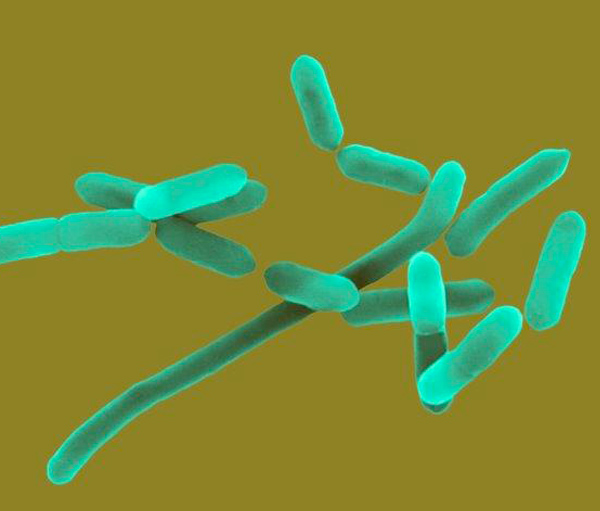
Listeria monocytogenes is a gram positive bacterium that causes listeriosis. It is one of the six species of the Listeria genus.
What diseases are caused by Listeria monocytogenes?
Listeriosis can manifest itself as sepsis, meningitis, encephalitis, intrauterine infections and spontaneous abortions in pregnant women. The onsets of these diseases are usually preceded by persistent fever or gastrointestinal symptoms such as nausea, vomiting and diarrhea.
Who is more susceptible to infection from Listeria monocytogenes?
Listeria monocytogenes is more prone to affect target populations such as pregnant women, newborn infants, immunocompromised individuals on corticosteroids, patients with cancer and other chronic diseases and the elderly. Normally, healthy people can also be infected by Listeria monocytogenes causing minimal gastrointestinal symptoms.
Epidemiology of Listeria monocytogenes
Reservoirs of Listeria monocytogenes are present in the environment, human and animal populations. Transmission of the disease causing bacteria can occur through:
- Foodborne- Listeria monocytogenes has been associated with foods such as unpasteurized milk, cheeses, ice cream, raw vegetables, raw and smoked sausages, raw and cooked poultry, all types of raw meats, and raw and smoked fish. L. monocytogenes introduced as a foodborne disease initially manifests itself as a gastrointestinal illness before spreading through the blood stream to affect the brain and the nervous system.
- Person to person spread- Listeria monocytogenes is spread from person to person in nosocomial and nursery settings.
- Direct inoculation- Direct contact with infectious material. This is more common in people with lesions in their hands and arms and when they come in contact with the environment that is infected with Listeria monocytogenes.
- In utero/ parental transmission- Listeria monocytogenes can be transmitted to the unborn fetus through an infected mother during her pregnancy term.
Incubation Period
The incubation period for listeriosis is variable and ranges from 3 to 70 days, with the median incubation period being three weeks.
Diagnosis
The best method to diagnose a Listeria infection is to isolate the bacteria from body fluids such as Cerebrospinal fluid, blood, gastric secretions among others.
Treatment
A full course of antibiotic treatment with either penicillin or ampicillin with aminogycosides is a good treatment plan. In penicillin resistant individuals, a third generation cephalosporins or Trimethoprin-Sulfamethoxazole combination is usually prescribed.
Listeria monocytogenes path chart
View a path chart for Listeria monocytogenes.
Contact EHA Consulting Group today for more information about how we can assist your company.